

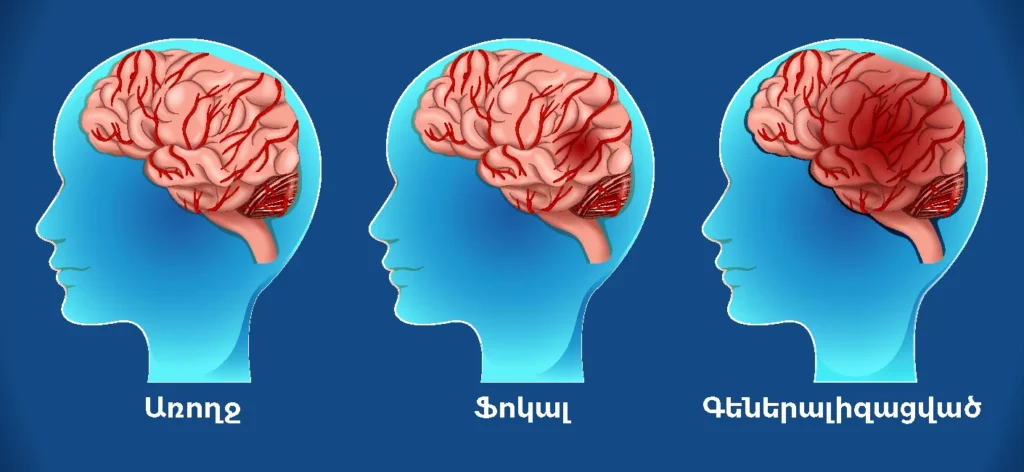
There are specific diagnostic criteria for confirming an epilepsy diagnosis.
To confirm the diagnosis and determine the type of epilepsy, the specialist typically prescribes long-term video EEG monitoring, often including sleep recording.
Diagnosing Epilepsy
The physician determines the duration of monitoring individually, depending on the specific case, the suspected seizure type, and the purpose of the assessment.
Sometimes, a patient presents with “classic” epileptic seizure symptoms and may even provide video recordings of their episodes. Yet, the long-term EEG monitoring may not detect any epileptic activity.
In some cases, the study may need to last up to four or five days, especially when it is crucial to accurately locate the origin of the seizure activity—for example, prior to neurosurgical intervention, when it is necessary to identify the epileptogenic focus.
All EEG recordings are carefully analyzed by an epileptologist, following a thorough consultation for each patient.
Modern pharmacology has advanced to the point where the side effects of medications have been minimized almost to zero. Physicians carefully select the appropriate drug by considering factors such as the patient’s sex, age, accompanying medical conditions, and other relevant aspects. For example, during pregnancy, medications that could negatively affect the fetus are avoided.
Long-term safety of antiepileptic drugs:
When prescribing therapy, doctors always weigh the benefits against the risks, ensuring that the benefits clearly outweigh any potential harm. The treatment must be effective.
For instance, if a patient’s seizures have completely stopped while on a medication but they experience numerous side effects and poorly tolerate the therapy, this is an indication to switch medications despite its effectiveness.
The same antiepileptic drug can have different levels of effectiveness in different patients with the same type of epilepsy.
Therefore, the doctor always inquires about:
The frequency of seizures,
The patient’s tolerance to therapy,
The overall well-being,
and based on these factors decides whether to continue with the current medication, reduce, or increase the dosage.
It is estimated that up to 25% of epilepsy cases are potentially preventable. The most effective way to prevent post-traumatic epilepsy is to avoid head injuries, particularly by reducing the risk of falls, traffic accidents, and sports-related injuries.
 For children, it is important to:
Strictly follow a daily routine,
Avoid disrupting nighttime sleep,
Choose a proper, balanced diet,
Protect against head injuries,
Timely treat any illnesses, especially infectious diseases.